
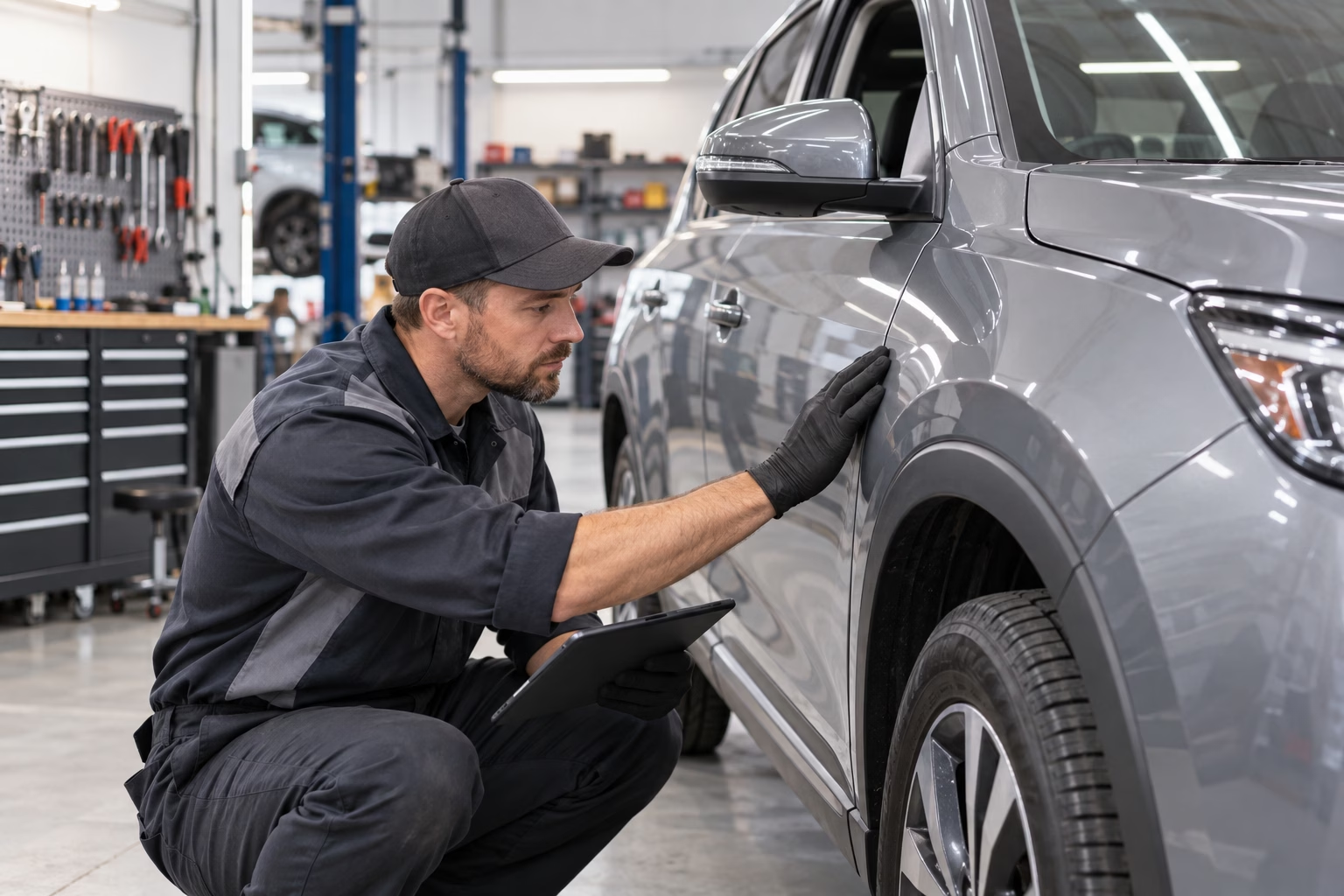
For a Rebuilder, the value of quality work does not end when a vehicle is sold. A properly repaired vehicle can help create a satisfied customer, a positive review, a referral or a buyer who wants to do business with you again.
That matters whether you sell vehicles directly to consumers or wholesale completed rebuilds to a dealership such as AutoSavvy. In both cases, earning new business takes time and money. Building a reputation that brings buyers back can make every future sale easier.
Quality Is More Than a Repair Standard
Most customers cannot evaluate every weld, replacement part or calibration themselves. They depend on the Rebuilder to make responsible repair decisions and complete the work correctly.
That makes every completed vehicle a reflection of the business behind it. When the workmanship holds up and the vehicle performs as expected, the buyer gains confidence in the seller. When corners are cut, the consequences can extend far beyond the cost of correcting that vehicle.
A poor repair may lead to rework, complaints, negative reviews and lost relationships. A quality rebuild has the potential to do the opposite: strengthen trust and create future opportunities.
What Customer Research Tells Us
The available research is not specific to rebuilt vehicles, but it demonstrates a consistent principle across industries: satisfied customers are more likely to recommend a business, return to it and create greater long-term value.
Nielsen’s 2021 global Trust in Advertising study found that 88% of respondents trusted recommendations from people they knew more than any other advertising channel. For a Rebuilder, that means the experience delivered to one buyer can influence friends, relatives and other people in that buyer’s network.
A peer-reviewed Journal of Marketing study followed approximately 10,000 customers of a German bank for nearly three years. It found that customers acquired through referrals had higher retention and were at least 16% more valuable than comparable non-referred customers. A vehicle purchase is different from opening a bank account, but both are important decisions in which trust and reputation can reduce uncertainty.
More recent research from the Qualtrics XM Institute surveyed 28,400 consumers across 26 countries. Consumers reporting a five-star experience were three times as likely to recommend the organization and 2.2 times as likely to purchase more as consumers reporting a one- or two-star experience.
These studies do not establish an automotive-specific return on investment for better repairs. They do, however, support a practical conclusion: delivering a better experience can strengthen the behaviors that make future business less dependent on continually finding strangers and convincing them to take a chance on you.
What This Means When You Sell Retail
Retailing a rebuilt vehicle requires the seller to earn a consumer’s confidence. The buyer may have questions about the vehicle’s history, the repairs and what owning a branded-title vehicle will be like.
Clear disclosures, quality workmanship and an honest sales process help answer those concerns. If the vehicle continues to perform well after the sale, the customer’s experience becomes evidence that your business can be trusted.
That experience can lead to:
- Positive online reviews
- Recommendations to friends and family
- Repeat business when the customer needs another vehicle
- Greater confidence in your future inventory
- Less reliance on paid advertising to generate every opportunity
This does not mean referrals are free. They are earned through the time, parts, skill and care invested in each rebuild. But once trust has been established, the next conversation can begin from a much stronger position than a sale to someone who has never heard of your business.

What This Means When You Sell Wholesale
The same principle applies when the customer is another business.
A dealer purchasing a completed rebuild is evaluating more than one vehicle. The dealer is also evaluating the Rebuilder. Was the damage repaired correctly? Are the parts and documentation consistent with the buyer’s requirements? Does the vehicle arrive as represented? Will purchasing from this Rebuilder create avoidable inspection problems, delays or unexpected costs?
One successful transaction can build confidence in the next. Consistent quality may help a Rebuilder become a dependable source rather than a one-time seller. That can mean:
- A stronger relationship with repeat wholesale buyers
- Fewer surprises during inspections
- More efficient purchase and payment processes
- Greater buyer confidence in future vehicles
- A more reliable outlet for completed inventory
Wholesale buyers still need to inspect each vehicle and make an independent purchase decision. A strong relationship does not replace standards. It grows when the Rebuilder meets those standards consistently.

Build the Vehicle and the Next Opportunity
It can be tempting to measure a rebuild only by the margin on the vehicle in front of you. But the true result may be larger than a single transaction.
High-quality work helps protect the customer, the buyer and the reputation of the rebuilt-vehicle industry. It can also make good business sense. A vehicle that is repaired properly and represented honestly has a better chance of creating the trust that leads to positive reviews, referrals and repeat business.
Whether you retail your own vehicles or wholesale completed rebuilds, the principle is the same: the quality of today’s rebuild can help determine where tomorrow’s buyer comes from.
AutoSavvy works with quality-focused Rebuilders interested in developing long-term wholesale relationships. If you build vehicles that meet our purchasing and inspection standards, contact your local AutoSavvy Rebuilder representative to start a conversation.