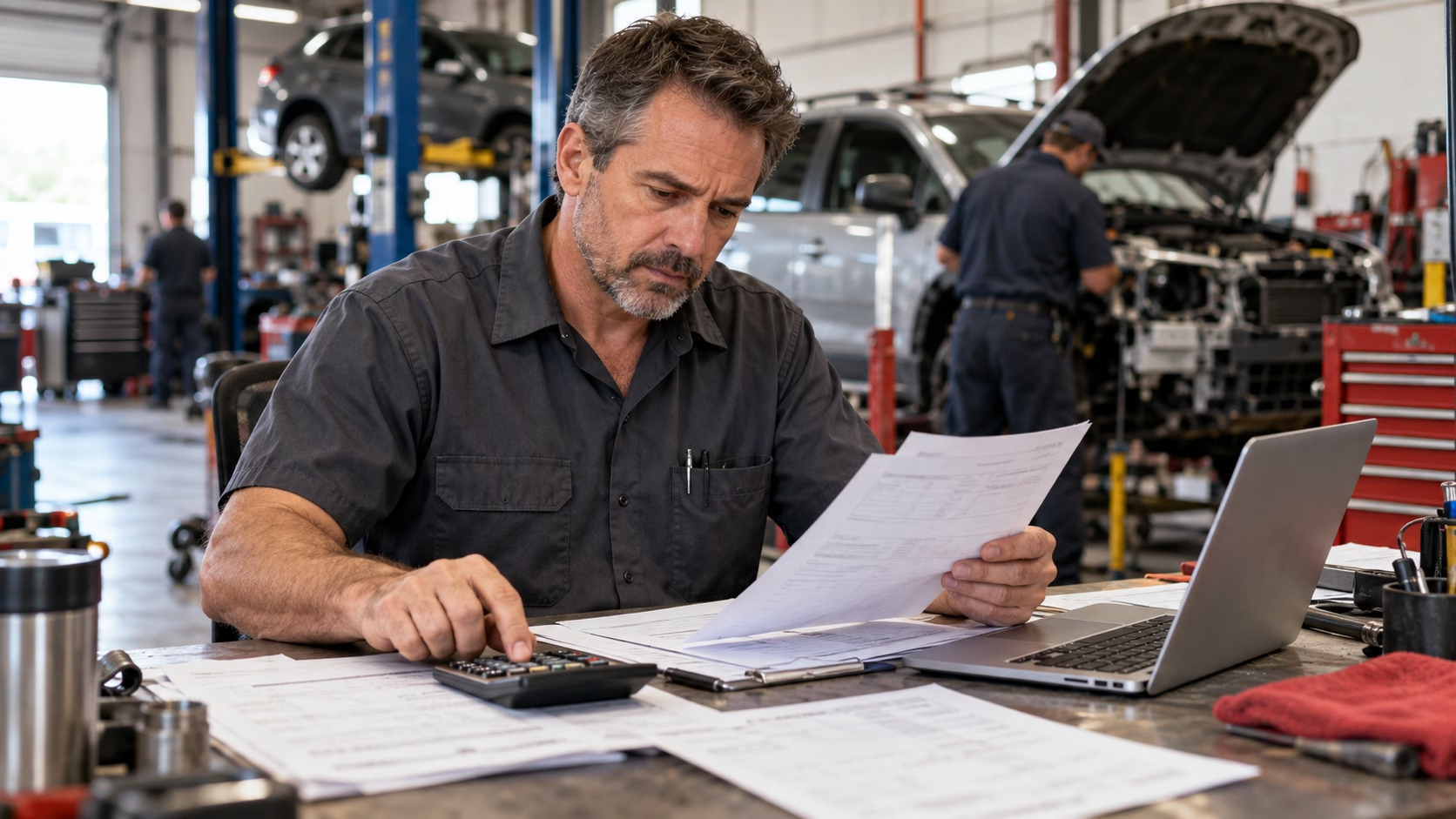
Running a repair shop takes more than fixing cars. It takes enough profitable work to cover payroll, equipment, insurance, rent, and time that never appears on an invoice.
Rebuilding salvage vehicles and wholesaling completed builds to AutoSavvy offers another way to use your expertise. It can begin as an additional income stream and grow into an alternative to traditional customer repair work.
Why shop revenue can leave little profit
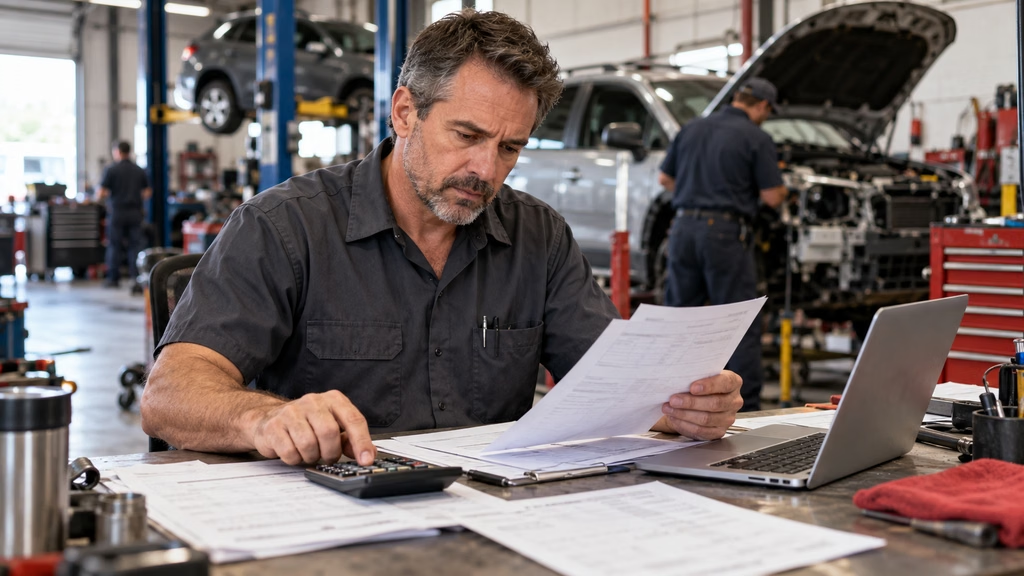
A full parking lot and a high labor rate do not guarantee a healthy profit. After parts and technician pay, each invoice must help support the rest of the business.
Approvals, parts sourcing, research, and customer updates consume time. Comebacks can require additional labor without another sale.
Collision shops navigate insurance estimates and supplements. Mechanical shops depend on customers approving and paying for repairs. Both must turn technician time into enough collected revenue to cover costs.
Recent industry research illustrates the pressure:
- Fewer repairable claims: CCC’s 2026 Crash Course report found that repairable claim volume across all coverages declined 9.7% in 2025.
- More technical work: The same report found that 28.3% of repairable estimates included calibrations in 2025, up from 21.8% in 2024.
- Staffing challenges: In PartsTech’s 2025 survey, 46% of participating shop owners and managers reported that technician shortages had a moderate to highly significant impact on their shops.
Sources: CCC Crash Course 2026 and PartsTech technician survey findings.
Fewer collision repairs can leave fewer jobs supporting the same overhead. Technical work requires equipment and training, while unfilled technician positions limit production.
How rebuilding changes the business model
In traditional repair work, the shop earns revenue by repairing someone else’s vehicle. In rebuilding, the business acquires a vehicle, completes the necessary work, and sells the finished vehicle.
Select suitable vehicles, buy at the right price, source parts effectively, and complete quality repairs efficiently.
Your repair knowledge, equipment, and supplier relationships help identify promising projects and avoid costly ones.
Before bidding, work backward from a realistic wholesale value. Subtract expected costs and your desired return to establish a maximum purchase price.
More control over project selection and scheduling
Rebuilding lets you select vehicles that fit your team’s strengths. A shop experienced with trucks, for example, can focus on truck projects.
With available capacity, you can schedule owned inventory alongside customer repairs. That flexibility can put otherwise unused time and equipment to work.
Understanding AutoSavvy’s current purchasing needs before buying inventory can also help you choose projects with a potential wholesale outlet in mind.
Why wholesale to AutoSavvy
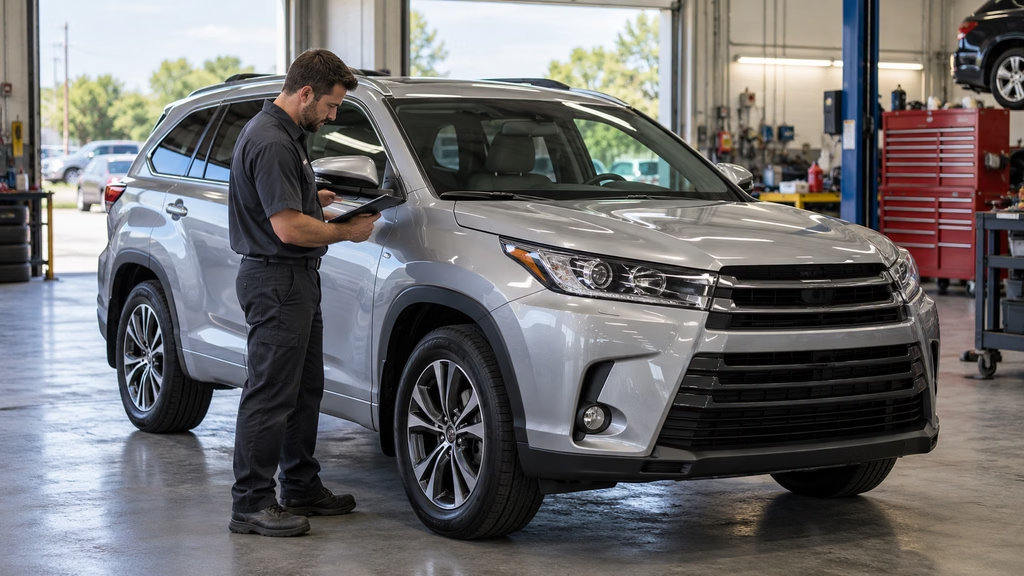
Retailing completed rebuilds adds advertising, inquiries, appointments, test drives, negotiations, and transaction administration to your workload.
Wholesaling to AutoSavvy provides another sales channel. A repeat relationship gives you a place to discuss buying needs, submit vehicles for consideration, and understand what makes a build a stronger fit.
Wholesale may bring a lower price than retail. The comparison should also account for the expense, time, and uncertainty of finding individual buyers.
For owners who want to focus on rebuilding, a wholesale relationship can reduce the need to develop a separate retail operation.
Make the numbers work before you buy
Rebuilding commits cash before a sale. Hidden damage and delays can change the outcome, so every budget should include:
- Vehicle purchase price, auction fees, and transportation.
- Parts, materials, labor, diagnostics, and calibrations.
- Title processing and other applicable transaction costs.
- Allocated overhead, financing, and holding costs.
- A reserve for unexpected work.
Your labor has a cost even when you perform it yourself. A rebuild also has an opportunity cost if it displaces profitable customer work.
Plan for proper repair procedures, safety systems, documentation, and inspection requirements. AutoSavvy purchases depend on vehicle condition, inspection results, title documentation, market demand, and agreed pricing. A valuation estimate is not a purchase commitment.
Start with a project and build a relationship
Start with one carefully selected project. Track actual costs, labor hours, and time to payment before expanding.
If the results support it, rebuilding can become a larger part of your operation or eventually your primary business.
Your repair expertise has value beyond the next customer invoice. Rebuilding offers a way to apply it to inventory you select and manage.
Before your next auction purchase, talk with an AutoSavvy representative about current buying needs and submitting completed builds.