
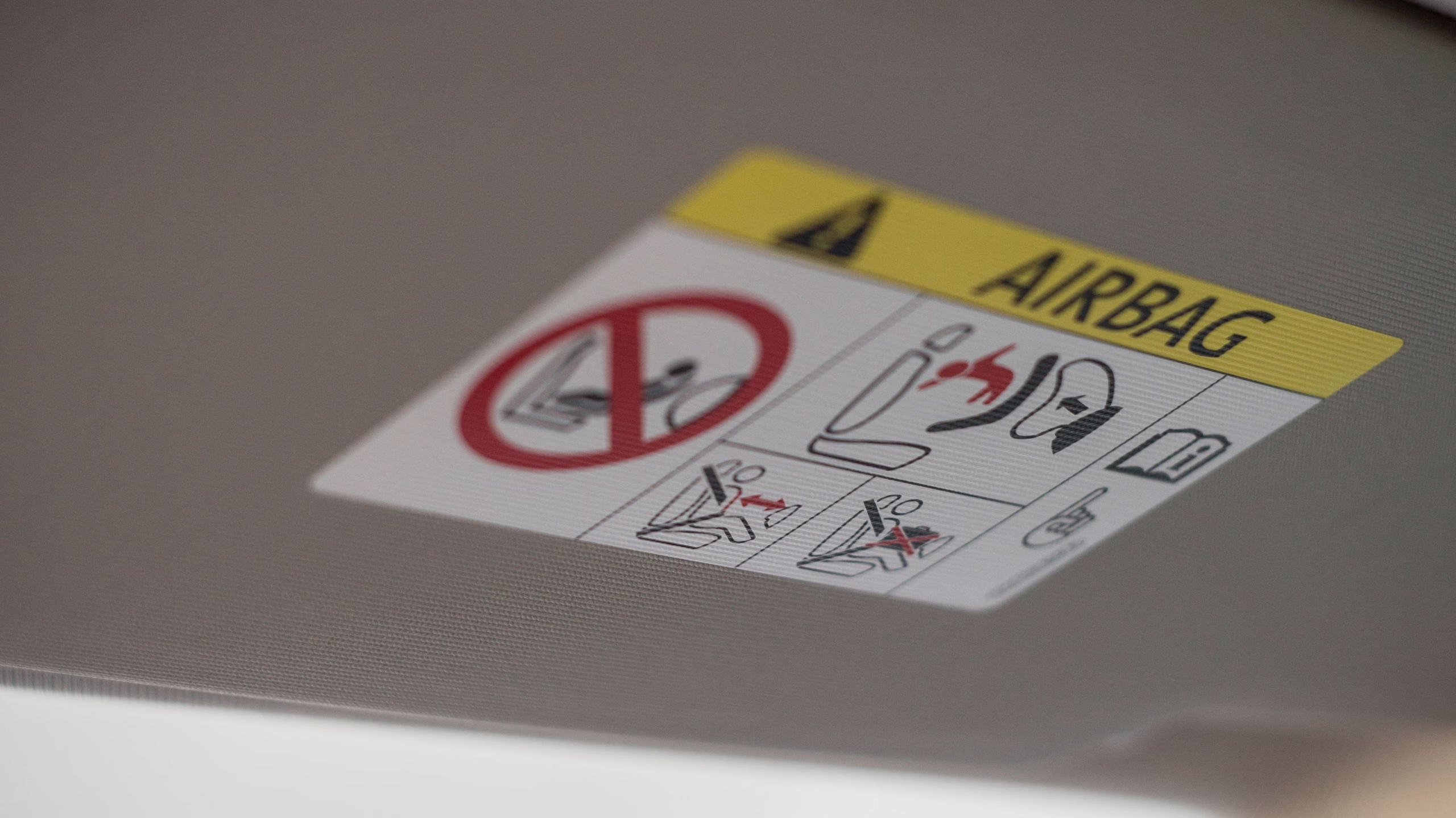
Airbags are among the most important safety components in any vehicle. Two recent reports from The Wall Street Journal show why Rebuilders must take extra care when purchasing, verifying and installing replacement airbags.
The Journal reports that dangerous replacement airbag inflators have been connected to at least 10 deaths in the United States since 2023. When these inflators deployed, they reportedly ruptured and sent metal fragments into vehicle occupants. The affected airbags had been installed in used vehicles after the original airbags deployed in previous crashes.
One of the reports makes an especially important distinction:
The faulty air-bag components are only found on used cars.
These were not original components installed by automakers in new vehicles. They entered the market as replacement parts—sometimes carrying counterfeit automaker logos and labels that made them appear legitimate.
A Cheap Airbag Can Carry an Enormous Cost
The Journal’s investigation traces dangerous airbags through online marketplaces and into repaired vehicles. In one case, a replacement airbag purchased online reportedly ruptured and caused catastrophic facial injuries. In another case involving a fatal crash, a jury awarded the victim’s family $603 million.
U.S. Attorney Ellis Boyle summarized the danger bluntly:
The worry here is that a bunch of consumers are going to unwittingly purchase bombs and put them in their steering columns.
The consequences can extend well beyond the person who initially purchased the part. Rebuilders, repair facilities, wholesalers and dealers may all be pulled into an investigation or lawsuit when the source and authenticity of a safety component cannot be verified.
What Rebuilders Should Do
Every replacement airbag should have a clear and documented history.
- Purchase airbags only from established, traceable suppliers.
- Avoid airbags and inflators from eBay, Facebook Marketplace and unknown online sellers.
- Verify that the part number and application match the vehicle.
- Retain invoices, supplier information, part numbers and serial numbers.
- Watch for altered labels, mismatched branding, unusual modifications or prices far below normal market value.
- Follow manufacturer procedures and current NHTSA technician guidance.
- Never electronically probe or energize airbag terminals during an inspection.
A familiar logo or convincing label is not enough. If an airbag’s origin and authenticity cannot be verified, it should not be installed.
Protect the Driver—and Your Business
Rebuilders help return damaged vehicles to safe, dependable use. That responsibility makes careful airbag sourcing essential.
Saving money on an unverified airbag is never worth risking someone’s life, your reputation or your business. Use trusted suppliers, document every purchase and stop the repair whenever a safety component raises questions.
Read the Full Reports
- Counterfeit Air-Bag Parts Are Killing U.S. Drivers—and the Government Can’t Stop It — The Wall Street Journal, July 8, 2026
- Four Things to Know About the Deadly Counterfeit Air-Bag Parts in U.S. Cars — The Wall Street Journal, July 9, 2026
- NHTSA Recommended Technician Guidance
This post is intended for general safety awareness. Rebuilders should follow applicable laws, manufacturer repair procedures and the latest government safety guidance.